


National Zoo Excursion Report
May 3rd, 10am - 2pm ~ Smithsonian National Zoo, Washington D.C.
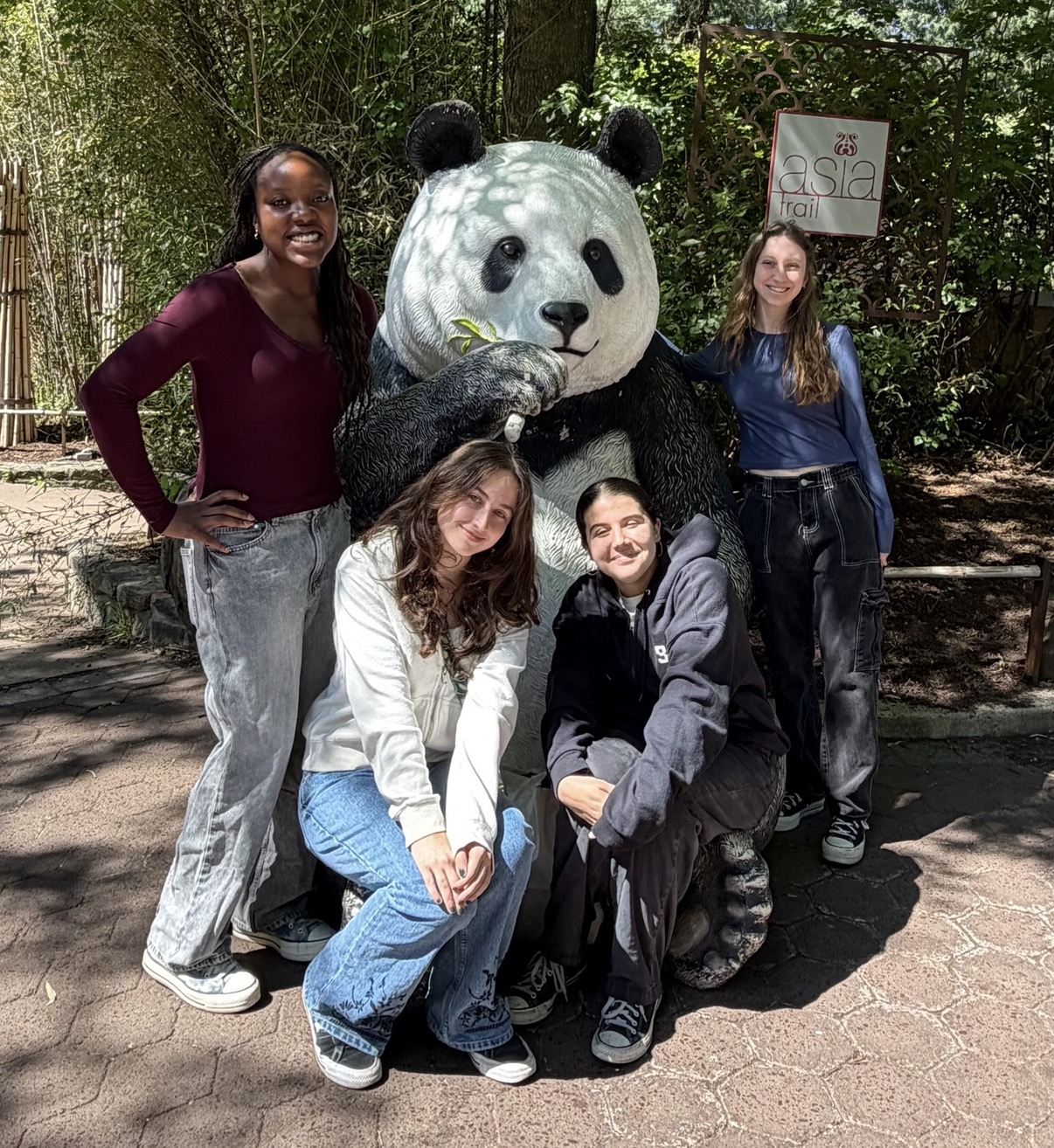
On the breezy Sunday morning of May 3rd, 2026, I began my 2nd SGC Scholars excursion to the National Zoo. It's simple getting from UMD to the D.C. Zoo; all it takes is a metro ride down part of the green and red lines, a sprint to a (missed) bus stop, and a fun ~30 minute walk/jog to finally arrive at the entrance! After that tumultuous journey, my friends and I began exploring the wonders of the Zoo.
We first went to the Bird House, which had (you guessed it!) lots of birds native to the Americas. We saw waterfowl like Bufflehead ducks, mascot-inspired Baltimore Orioles, sing-songing Magnolia Warblers, and (surprise!) non-bird/non-crab Horseshoe Crabs. Alongside the signs found around the exhibit, we learned about what these beautiful birds and arthropods are like in nature using laminated flip-book guides of the species, buttons that we could press to hear what the birds sound like, and models to show a better view of the Horseshoe Crabs. The Bird House has lots of visuals and interactives, as it is designed to be suitable for all ages but especially younger children that are around elementary school aged. We saw lots of families in the exhibits, where both the children and adults were reading the signs found throughout.
After our flight through the Bird House, we headed to the Amazonia exhibit (and strolled through some other exhibits along the way). At the Amazonia exhibit, we went on a guided tour by the great Dr. Merck and Dr. Holtz. The tour had a fishy beginning, where we learned about freshwater stingrays, lungfish, sideneck turtles, and electric eels. There was even an interactive eel statue that I got to touch that vibrated when you touch both ends at the same time. There was also a display with buttons to provide information on how various temperatures can make different amphibians more susceptible to disease. This hall had varying levels of complexity for both younger and older audiences, but this hall seemed more text heavy, which makes it less accessible for young children with limited reading capabilities.
After our tour, we then explored the Reptile House. This hall is filled with lots of critters and signage to learn more about their natural environment, where they can be found around the world, and what their mealtime menu consists of. Here we saw animals like the Hinge-Back Tortoise, Emperor Newt, Northern Blue-Tongued Skink, and a Fly River Turtle. Other ways that you can learn about the animals in this hall besides the signs include skulls of some of the animals to understand their diet and a light up display of the different parts and organs in a lizard and a comparison to the human body. This exhibit is perfect for both elementary and middle school aged children, and we saw plenty of them engaged in the exhibit.
The Zoo aids in the public understanding of animals and ecosystems by making learning about zoological and ecological issues accessible to everyone. People of all ages and backgrounds are able to gain some exposure and experience from walking around and seeing the wide variety of animals that come from different parts of the world without having to travel across the globe. The Reptile House was especially busy, as we went during Amphibian Week. There were tables around and outside of the hall from USGS providing extra information and hands-on activities for visitors to deepen their learning about amphibious creatures in fun ways. The design and layout of the Zoo makes it so that visitors can learn visually and through experience, with plaques and text as an aid for more information and not required to understand what you’re seeing.
The Zoo created habitats for the animals for them to live in, but no Zoo can have a habitat that can completely recreate the vastness of the wild. The National Zoo made efforts to support the animal’s mental and emotional wellbeing by making their habitats feel a bit more “like home”. As we walked around, we saw the efforts that the Zoo made to replicate the animal’s natural environments by putting species that are compatible with each other together, including native vegetation, and by designing the habitats to resemble the landscape of the animal’s native environment. In the Sea Lion pool, they added rocks and kelp to make it more interesting for these curious creatures and more similar to what they would have in the wild and replicated the temperature and kind of water they would be swimming in.