Climate Art Workshop
Thursday, November 13, 2025 at the Cambridge Community Center
The evening started with an introduction on how climate art is defined. The presenters, Savannah Holt and Dyani Frye, described it as a form of art to exhibit feelings towards the climate crisis and overall conditions of our climate. We then discussed one of the main points of the presentation-- that multifaceted issues surrounding our climate can be thoughtfully conveyed through art to reach and resonate with a broader audience. The presenters illustrated examples of this, such as Jill Pelto incorporating graphical data of changes in the North Cascade glaciers in a watercolor artwork of the glaciers themselves to evoke an emotional response with the audience. The presenters explained that sometimes art can elicit responses to climate change more than with words or scientific data. The final point in the presentation was that by participating in climate art, we can express our feelings, both positive and negative, about climate topics and our stance on them.
With the presentation concluded, we as the audience were then guided towards three different stations in which we could participate in making climate art. My favorite activity of the three was painting with watercolors made from directly from nature, like plants and bugs.
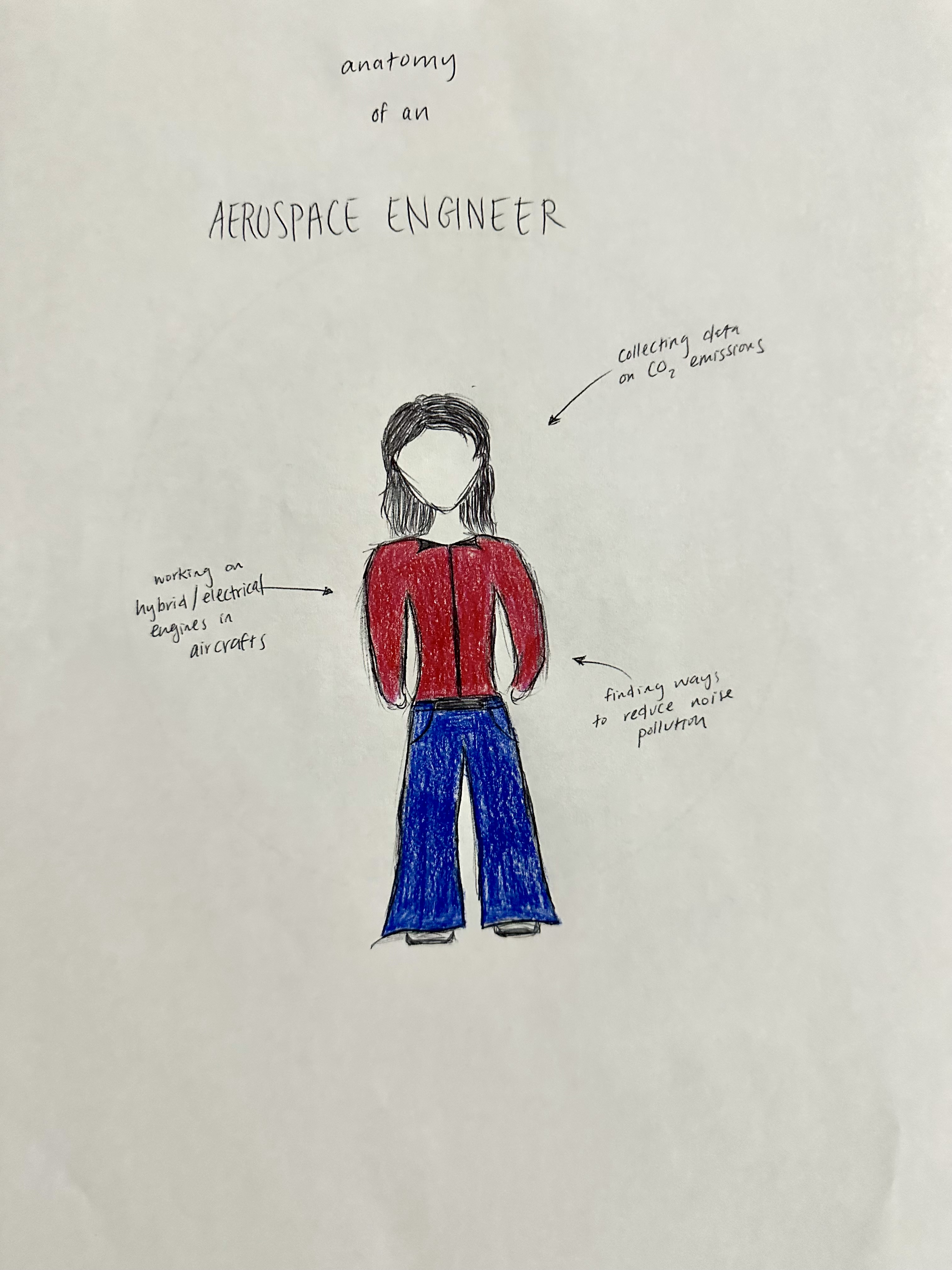
Climate Anatomy
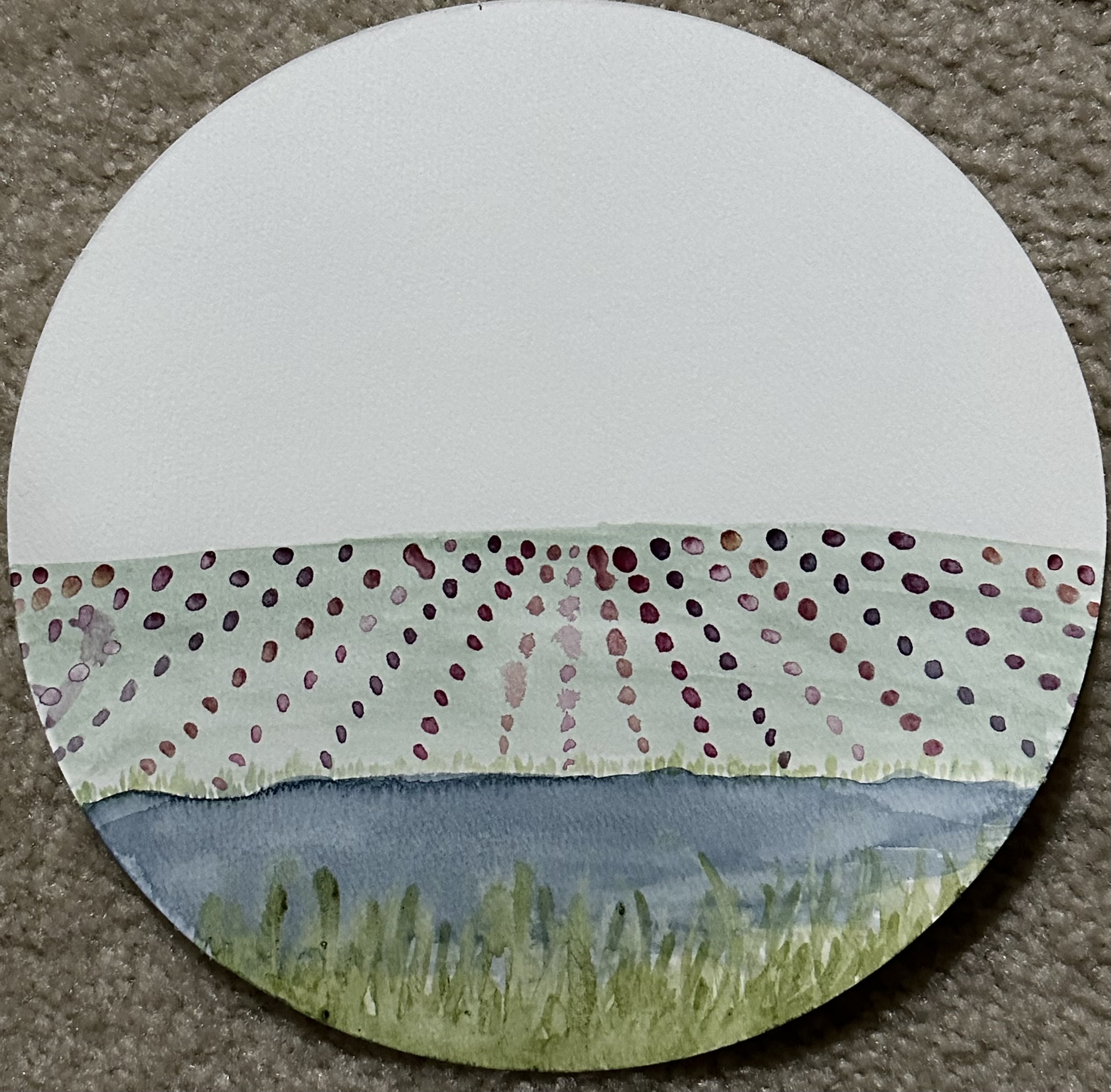
Natural Watercolor
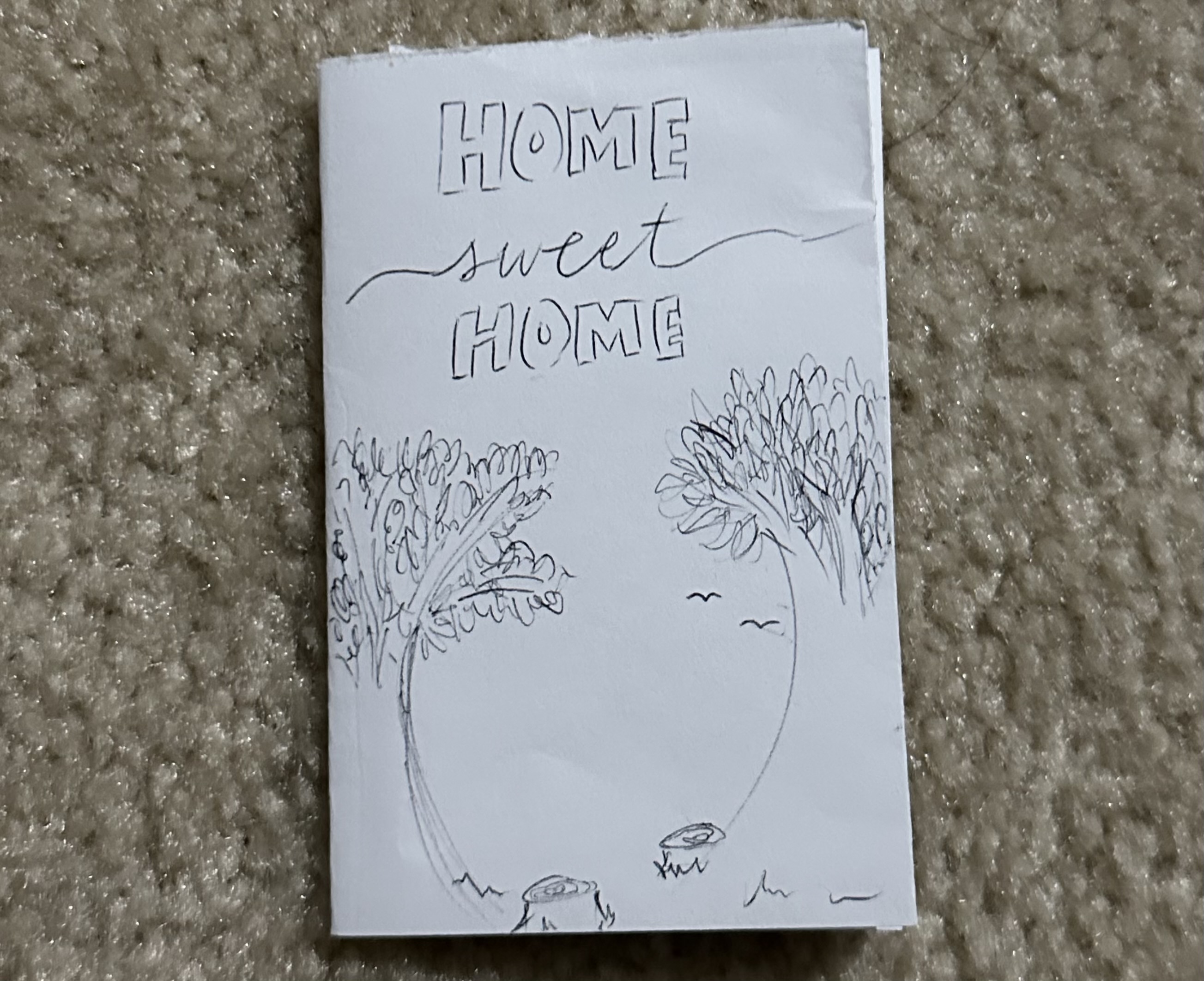
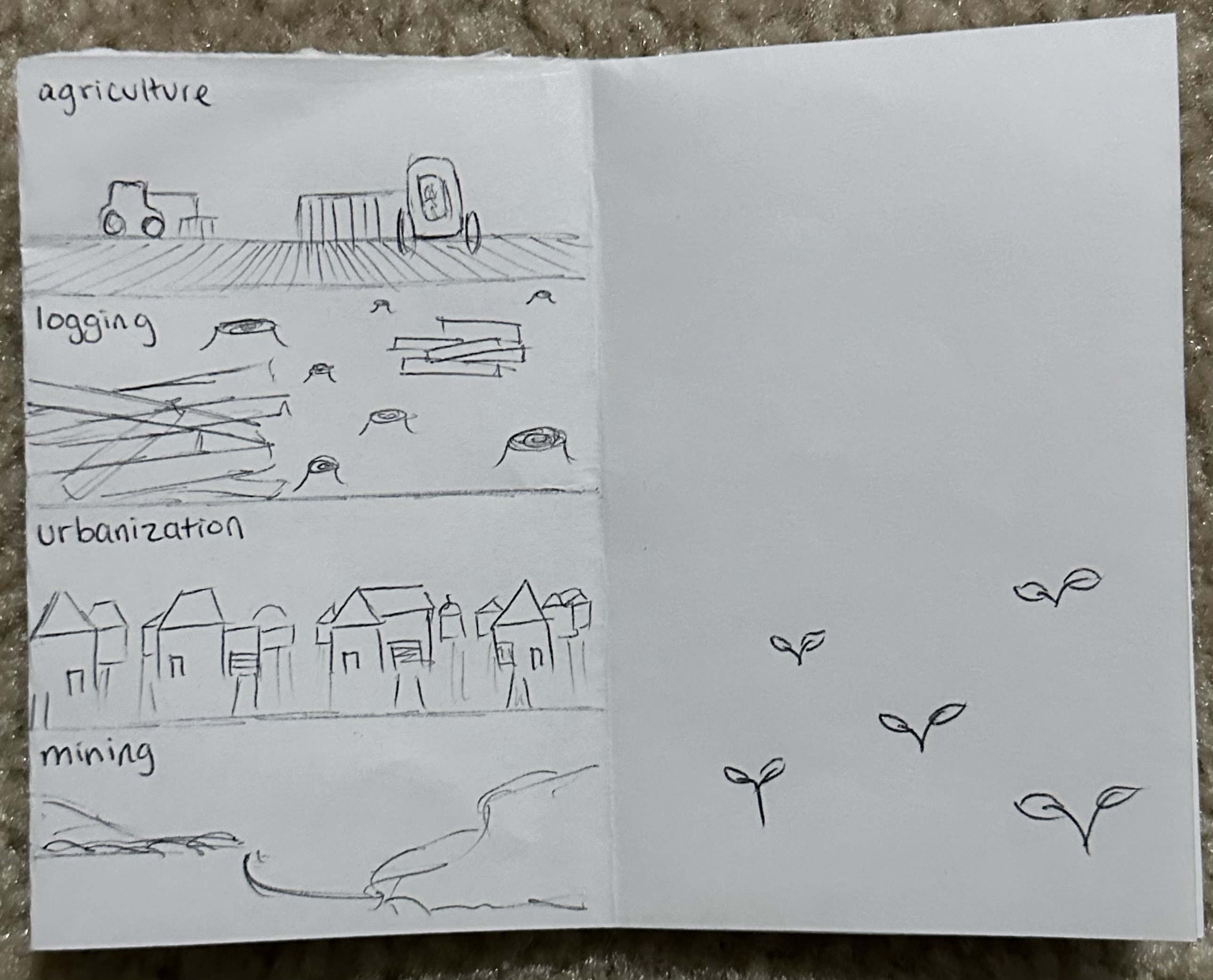
Mini Booklet on Deforestation
After listening to the presentation on climate art and being able to create my own, I found the main points of this workshop to be very convincing. We often see the climate crisis being overlooked by people and politics. In a study conducted by the Pew Research Center, a nonpartisan fact tank, common beliefs used to dismiss the climate crisis include that because they personally don't experience the effects of climate change and global warming, people believe that it is a hoax. This article also states that some people believe that our current climate situation is not affected by human activity, as it is merely part of "Earth's natural cycles." This additional information I'm aware of supports the point that it is difficult to express the state of climate and human impacts of it and garner understanding and support.
Pasquini, G. (2023, August 9). Why some Americans do not see urgency on climate change. Pew
Research Center. https://www.pewresearch.org/science/2023/08/09/why-some-americans-do-not-
see-urgency-on-climate-change/
Additionally, I believe that art can and does express ideas on a more personal and emotional level. Art is universal and can often transcend language and communication barriers, leading to a variety of different audiences to understand and interpret it in their own way. Visual depictions of ideas can often promote empathy in ways that text and data cannot. Even when conveying scientific data, we often use charts and graphs to make the information more easily understood. This can also be applied to art. As the article described above stated that one of the main reasons why people dismissed the climate crisis is that it isn't personal nor affecting them, I agree with the point that using art can be a way to elicit feelings and understanding about the climate crisis. As someone involved in the art world and have studied art history, I personally have seen art being used to spread awareness about the state of our climate. However, I do think that climate art is not a well known area in art. I believe that climate art must have a higher platform and more exposure in order to really make an impact and spread awareness about our climate.
The activities themselves were very convincing to me of the points made. Using watercolor that was made straight from nature really spoke to me and made me appreciate the beauty of our Earth and nature. Furthermore, in this watercolor alone I experienced the effects of climate art. In actually engaging in making climate art, I believe that it is a soothing way to confront your feelings about climate change and express them. I found it really fun to color and paint, and as I spent time working on art based on deforestation and cleaner energy, I found myself thinking about these topics deeply. I have never really thought much about these topics before, and I felt like I was really becoming engaged in each one and developing feelings of helplessness (with deforestation) and hope (with cleaner energy). I believe that engaging in climate art really helped me understand and agree with the points in the presentation. I truly hope that climate art becomes more widespread and reaches a greater audience as a part of our fight against the climate crisis.